Bareboat, skippered or crewed: which yacht charter is right for you?
By Erik Ljungqvist, professional skipper · 29 September 2026 · 6 min read
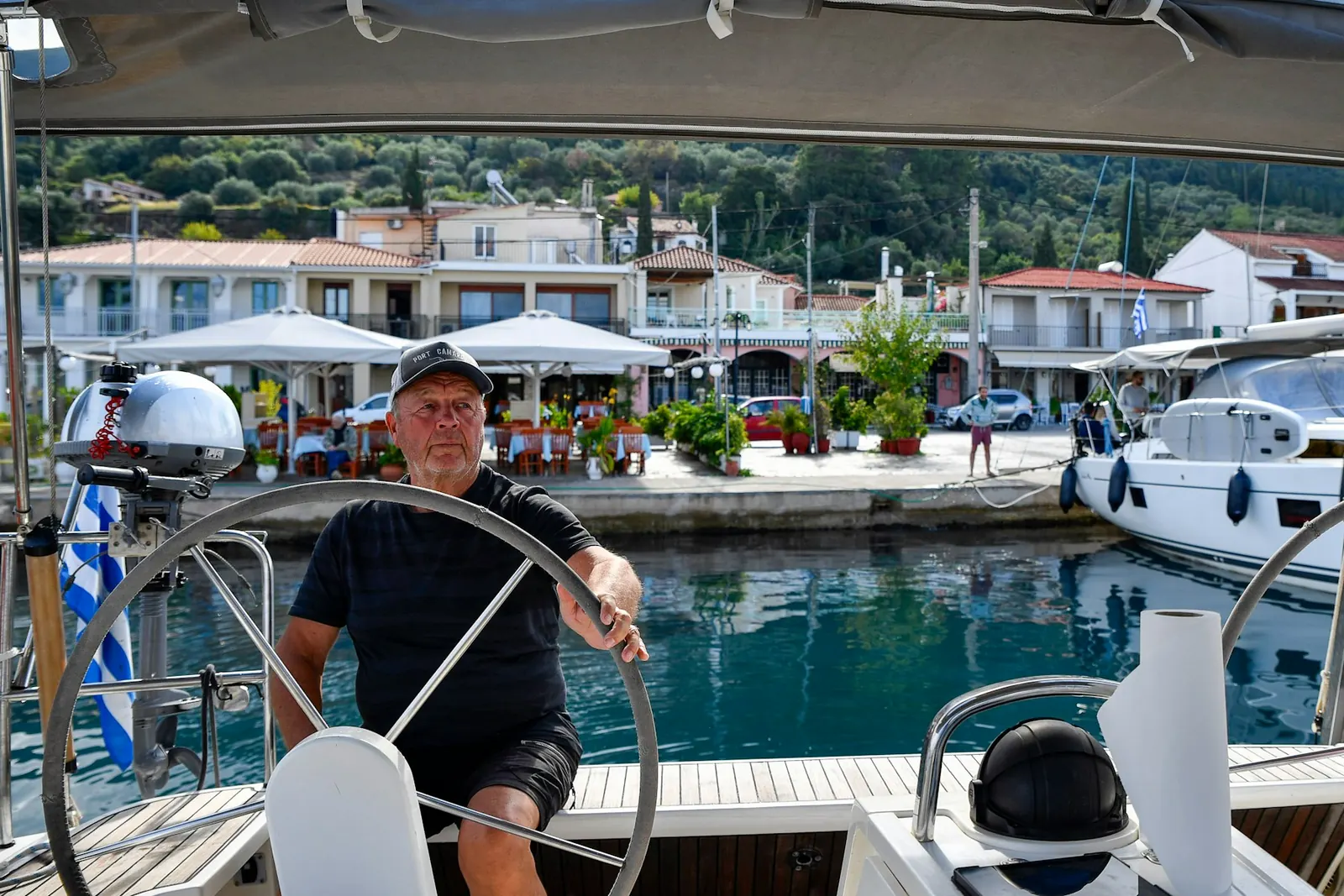
Short answer: there are three ways to charter a yacht. Bareboat: you rent the boat and sail it yourself (you need a licence). Skippered: the same boat, plus a professional skipper who sails it for you (from roughly €170–€250 a day). Crewed: a professional crew, usually a captain and a cook or hostess, who run the whole trip for you. For a first charter, I almost always recommend having a skipper on board.
I've been sailing for as long as I can remember and have worked as a professional skipper in the Mediterranean, so I've been on every side of this: sailing my own charters, skippering for guests and running a charter business. Here's how to choose.
The three options at a glance
| Bareboat | Skippered | Crewed | |
|---|---|---|---|
| Who sails the boat | You | A hired professional skipper | A professional captain (and crew) |
| Licence needed | Yes | No | No |
| Who cooks and cleans | You | You | The crew |
| Typical extra cost | None | ~€170–€250/day + skipper's food | Higher charter fee + APA (25–35%) + tip |
| Space for your group | Every cabin | One cabin (or berth) goes to the skipper | Larger yachts have crew quarters; on smaller crewed cats, check how many guest cabins remain |
| Best for | Experienced sailors who know the area | First-timers, families, mixed groups | Special occasions, zero effort, luxury |
Bareboat: you are the skipper
With a bareboat charter you rent the yacht and take full responsibility for it: navigation, weather, anchoring, mooring stern-to in a busy harbour at 6 pm in a crosswind. It's the cheapest option and the most freedom, if you have the skills.
What you need:
- Croatia: the skipper needs a recognised boat licence, and someone on board needs a VHF radio certificate.
- Greece: the skipper needs a licence at offshore level (for example the ICC, or RYA Coastal Skipper), and a second experienced crew member has to be on the crew list.
- Everywhere: bring the original documents. Charter bases routinely refuse photocopies and phone photos at check-in.
Most charter companies also ask for a short sailing résumé, and they can require a skipper if they're not convinced.
Skippered: same boat, a professional sails it
This is the option I recommend most. You rent the same boat, and a professional skipper comes with it. They handle the boat, the weather and the harbours. You swim, eat, explore and relax.
What it costs: roughly €170–€250 per day in Croatia, usually paid at the base, plus the skipper's food (they eat with you or you give them a food allowance). For the full picture of what a week costs, see my catamaran charter cost guide for Croatia. On a 4-cabin catamaran the skipper usually takes a cabin or a forepeak berth, so plan for that when you count beds.
What a skipper is, and isn't: your skipper sails the boat, keeps you safe and knows where to go. They're not a chef or a cleaner. That's what a crewed charter is for.
My advice for first-timers: get a skipper and make the week frictionless. You can ask them to teach you a thing or two, and most skippers will happily let you take the helm. It's the best sailing lesson you'll ever have, in the most beautiful classroom there is.
On the last day of one charter, a massive thunderstorm settled right over our home marina. Yachts were queuing at the entrance, and on the radio other captains were reporting hours of stressful waiting to get in. Instead of joining the queue, I took my guests into a small, protected bay with a little village harbour, and they had a relaxed dinner ashore. By the time dessert was done the storm had moved on. We sailed back in calm conditions, docked smoothly and the guests went straight on to enjoy their last evening. That's what local knowledge buys you: the same storm, but a completely different last night of the holiday.
Even experienced sailors should consider it. Unless you're fully confident with the region and every weather pattern it can throw at you, a skipper is almost always worth it. The Adriatic's bura and the Aegean's meltemi can change a day's plan quickly, and knowing where to be when they arrive is exactly what you're paying for.
Crewed: sit back and let the crew run everything
On a crewed charter the yacht comes with a professional crew, typically a captain plus a cook or hostess, and on larger yachts more crew. They sail, cook, clean, plan the route around your wishes and book the restaurants. It's the most relaxing way to be on the water.
What it costs: more than a bareboat plus skipper. In Croatia, a mid-size crewed catamaran often costs around €15,000 per week in June or September and €20,000+ in peak summer, before extras. On top of that:
- APA (Advance Provisioning Allowance): typically 25–35% of the charter fee on crewed sailing yachts and catamarans. It's paid up front and covers food, drinks, fuel, marina fees and other running costs. The captain keeps receipts; you get back what isn't spent, and pay any shortfall at the end.
- Crew tip: customary, not contractual. In the Mediterranean, 10–15% of the base charter fee is common (it's usually higher in the Caribbean).
A halfway option on many boats is a skipper plus a hostess or cook (a hostess is roughly €150–€250 per day). You get most of the crewed experience on a normal charter yacht.
What makes a great guest, from the skipper's side: being adaptable. Living on a yacht isn't like living on land. You share close quarters, and there are a few rules on board that keep everyone safe and comfortable. Beyond that, just enjoy the moment. A happy guest is a good guest.
And tipping a skipper? On a skippered charter it's completely optional. Skippers do appreciate it, especially when they've gone the extra mile to make sure you had an excellent time.
Catamaran or monohull?
This question comes up in every booking, whichever option you choose. A monohull gives you the real sailing feel, heel and all. A catamaran gives you space, stability and comfort. For a mixed group or a first charter, comfort usually wins. If sailing itself is the point of the holiday, a monohull is more rewarding.
How to choose: a quick checklist
- Nobody in your group has a licence? Skippered or crewed.
- First charter, or first time in this region? Skippered.
- Families with young kids, or a once-in-a-lifetime occasion? Crewed, or skipper + hostess.
- Experienced, licensed, know the area well and want full freedom? Bareboat.
- Somewhere in between? Skippered for the first charter, bareboat the year after.
The most common mistake I see: choosing bareboat because it looks cheaper, then spending a stressful week out of your depth. A close second is chartering a bigger boat than your experience really covers. Be honest about your skills. The sea will be.
Where Veezent fits
Tell Veezent's AI concierge who's coming and how much sailing experience you have, and it will suggest the right kind of charter along with real boats and the all-in price, including the skipper or crew. Then it holds the boat while your group decides.
Sources: Licence requirements for Greece: Filovent: boat licences in Greece, Boat4You licence guide 2026. Skipper and hostess day rates, crewed catamaran prices in Croatia: Luxsails: crewed catamaran costs in Croatia, Catamaran Croatia Charter 2026 price guide. APA: HELM: what is an APA?. Crew gratuity norms: YachtCharterFleet: captain & crew gratuities. Prices are typical ranges, not quotes.
Frequently asked questions
What is the difference between bareboat, skippered and crewed charter?
Bareboat means you rent the yacht and sail it yourself, so someone in your group needs a recognised licence. Skippered means the same boat plus a hired professional skipper who sails it for you. Crewed means a professional crew, typically a captain plus a cook or hostess, who run the boat and look after you.
How much does a skipper cost in Croatia or Greece?
Roughly €170–€250 per day in Croatia, usually paid at the base, plus the skipper's food. The skipper also needs their own cabin or berth, so plan for one fewer guest cabin.
Do I need a licence to charter a yacht?
Only for bareboat. In Croatia the skipper needs a recognised boat licence and someone on board needs a VHF radio certificate. In Greece the skipper needs an offshore-level licence such as the ICC and a second experienced crew member must be on the crew list. With a hired skipper or a crewed yacht, you don't need any licence.
What is APA on a crewed yacht charter?
APA stands for Advance Provisioning Allowance: an amount paid on top of the charter fee to cover food, drinks, fuel, marina fees and other running costs during the trip. On crewed sailing yachts and catamarans it is typically 25–35% of the charter fee; unused APA is refunded and any shortfall is paid at the end.
Should first-time charterers get a skipper?
In most cases, yes. A skipper makes a first charter frictionless: they handle the boat, the weather and the anchorages, and most are happy to teach you and let you take the helm.